
News and Advice
Welcome to your new puppy
Welcome to life with your new kitten
People foods to avoid feeding your pets
Acute diarrhoea in dogs
Welcome to your new puppy

A guide to early care, common challenges, and keeping your puppy healthy and happy.
1. First veterinary visits
- Schedule your puppy’s first exam within the first week of bringing them home.
- Bring any breeder/shelter records, microchip info, and diet details.
- Your vet will discuss vaccinations, parasite control, nutrition, and training.
2. Vaccinations
Core vaccines protect against serious diseases:
- Distemper, adenovirus, parvovirus, parainfluenza (DHPP)
- Rabies
Non-core (given based on risk): Bordetella, leptospirosis, Lyme disease, canine influenza
Typical schedule: - 6–8 weeks: 1st DHPP
- 10–12 weeks: 2nd DHPP + optional non-core
- 14–16 weeks: 3rd DHPP + rabies
- Booster at 1 year, then per vet’s recommendations
3. Parasite control
Puppies are prone to worms, fleas, and ticks.
- Intestinal worms (roundworms, hookworms, whipworms, tapeworms) – deworm every 2 weeks until 12 weeks, then monthly
- Flea & tick prevention – start as early as 8 weeks (product dependent)
- Bring a stool sample to your vet to check for parasites.
4. Nutrition
- Feed a commercial puppy diet (AAFCO-approved for growth)
- Large breeds: choose a large breed puppy formula to prevent rapid growth
- Feed 3–4 meals/day until 6 months old, then twice daily
- Avoid raw diets in puppies — higher risk of bacterial infections
- No table scraps, bones, or fatty foods
5. Socialisation and training
Critical window: 3–14 weeks of age.
- Introduce your puppy to a variety of people, friendly dogs, sights, sounds, and environments in a positive way
- Enroll in puppy kindergarten after at least 2 vaccinations
- Use positive reinforcement training — avoid punishment-based methods
- Begin crate training and house training early
6. Common early-life problems
| Problem | What you might see | Action |
| Diarrhea | Loose stools, sometimes with worms | Bring stool sample to vet |
| Vomiting | One-off may be okay, repeated is not | See vet if persistent |
| Coughing | Kennel cough, parasites | Vet check |
| Parasites | Visible fleas, worms, itchy skin | Start parasite prevention |
| Teething | Chewing, drooling | Provide safe chew toys |
7. Red flag - call your vet immediately
- Persistent vomiting or diarrhea
- Loss of appetite for >12 hours (or >4 hours in small breeds)
- Lethargy or collapse
- Difficulty breathing or persistent cough
- Seizures or sudden weakness
Key message
The first year sets the foundation for your dog’s health, behaviour, and happiness.
Regular vet visits, proper nutrition, preventive care, and positive training will help your puppy grow into a confident, healthy adult.
Welcome to life with your new kitten

A guide from your veterinarian team.
1. First steps – veterinary check
We recommend your kitten’s first health check within a week of adoption.
This visit allows us to:
- Assess overall health, weight, and growth
- Check for congenital issues (e.g., heart murmurs, umbilical hernia)
- Discuss diet, housing, and behaviour
- Plan vaccination and parasite control
2. Common health concerns in your kittens
| Problem | What you might see | Action |
| Upper respiratory infection | Sneezing, runny eyes/nose | Often viral (herpesvirus, calicivirus) – can be contagious |
| Parasites | Diarrhoea, visible worms, itchy skin | Many kittens have intestinal worms or fleas from birth |
| Diarrhoea | Soft stools, urgency | Can be diet change, parasites, infection – call if persistent |
| Ear mites | Dark ear debris, scratching | Very common, easily treated |
| Ringworm | Circular hair loss, scaling | Fungal; zoonotic (can spread to people) |
3. Husbandry and daily care
Housing:
- Provide a safe, warm indoor space, ideally away from other pets until vaccinated
- Litter tray: one per cat, plus one extra; keep clean and in quiet area
Nutrition:
- Feed a complete kitten food (wet or dry) until 12 months old
- Fresh water always available
- Avoid cow’s milk – can cause diarrhoea
Socialisation:
- Gently expose to normal household sounds and handling
- Introduce to new people and experiences before 14 weeks for best adjustment
Enrichment:
- Toys, scratching posts, climbing areas
- Play sessions twice daily
4. Vaccination schedule
| Age | Vaccines |
| 8–9 weeks | Core vaccine 1: feline herpesvirus, calicivirus, panleukopenia (FHV, FCV, FPV) ± FeLV if at risk |
| 12 weeks | Core vaccine 2 (and FeLV 2 if given) |
| 16 weeks | Optional third vaccine if risk or maternal antibodies suspected |
| 1 year | Booster, then every 1–3 years depending on risk |
*Your vet will tailor the protocol based on your kitten’s lifestyle.
5. Parasite control
Worms:
- Common in kittens (roundworm, hookworm, tapeworm)
- Deworm every 2 weeks until 12 weeks, then monthly until 6 months, then every 3 months as adult
- Use products safe for kittens – never give dog wormers
Fleas and ticks:
- Treat monthly with a safe topical or oral product
- Regular flea control also helps prevent tapeworm infection
Ear Mites:
- Detected on exam; treated with topical or oral medication
6. When to call the vet
- Poor appetite > 24 hrs
- Diarrhoea > 48 hrs or blood in stool
- Persistent sneezing/coughing
- Lethargy or hiding
- Limping or injury
7. Your kitten's health timeline
First year overview:
- 8–9 wks: First vaccines, wormer, flea treatment
- 12 wks: Second vaccines, wormer, flea treatment
- 16 wks: Optional vaccine, microchip, wormer, flea treatment
- 5–6 months: Neutering, wormer, flea treatment
- 1 year: Booster vaccines, health check, dental review
We're here to help!
Your veterinary team can provide tailored advice to keep your kitten healthy and happy for years to come.
People foods to avoid feeding your pets
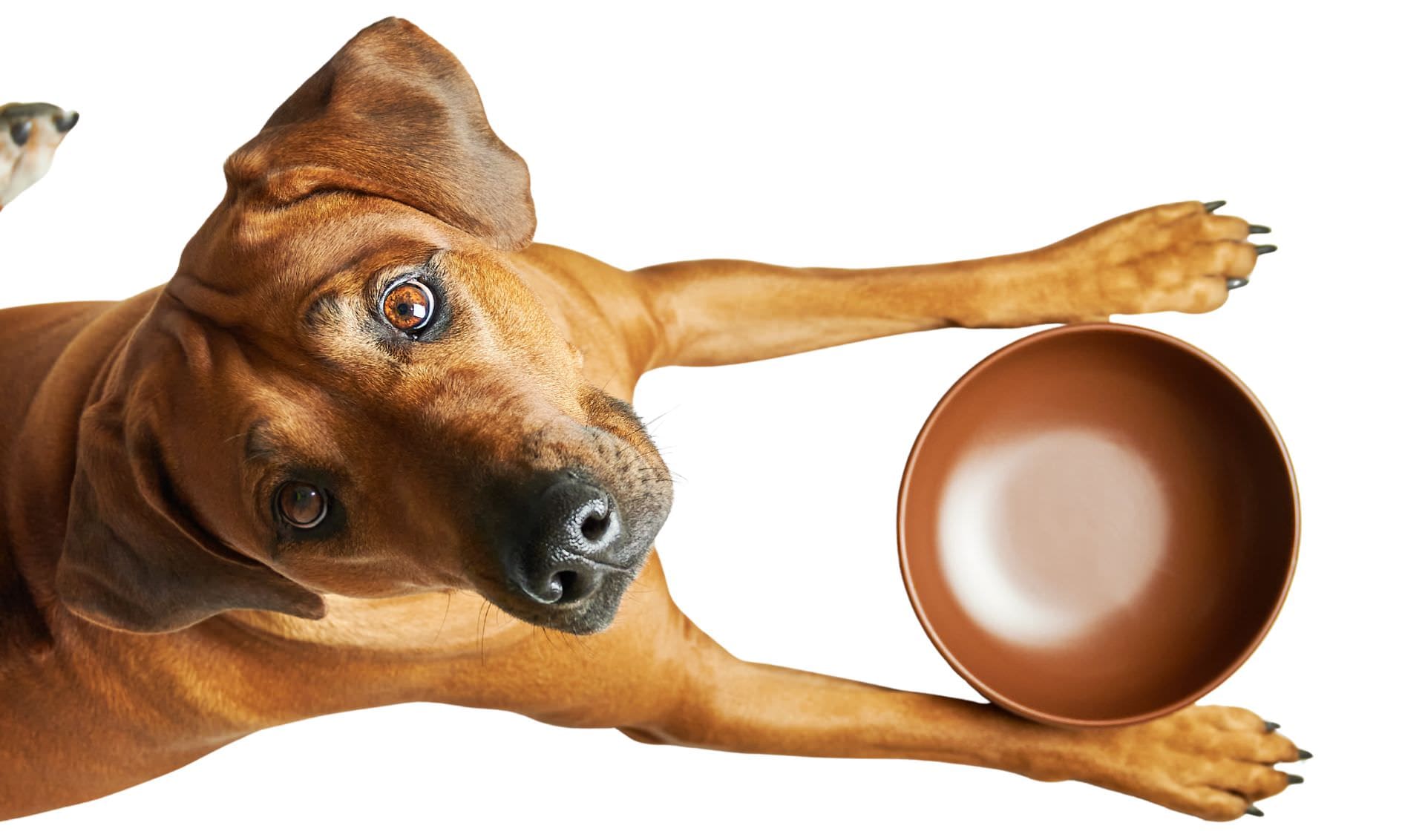
Chocolate, Macadamia nuts, avocados…these foods may sound delicious to you, but they’re actually quite dangerous for our animal companions. Nutrition experts have put together a handy list of the top toxic people foods to avoid feeding your pet. As always, if you suspect your pet has eaten any of the following foods, please note the amount ingested and contact your veterinarian or your local animal poison center.
Chocolate, coffee, caffeine
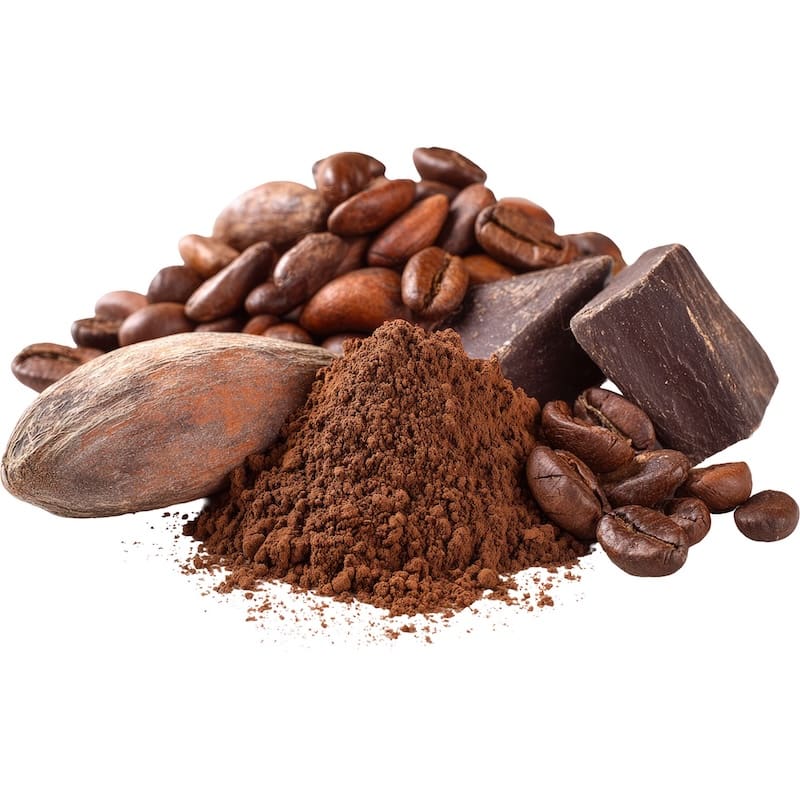
These products all contain substances called methylxanthines, which are found in cacao seeds, the fruit of the plant used to make coffee and in the nuts of an extract used in some sodas. When ingested by pets, methylxanthines can cause vomiting and diarrhoea, panting, excessive thirst and urination, hyperactivity, abnormal heart rhythm, tremors, seizures and even death. Note that darker chocolate is more dangerous than milk chocolate. White chocolate has the lowest level of methylxanthines, while baking chocolate contains the highest.
Alcohol

Alcoholic beverages and food products containing alcohol can cause vomiting, diarrhoea, decreased coordination, central nervous system depression, difficulty breathing, tremors, abnormal blood acidity, coma and even death.
Avocado
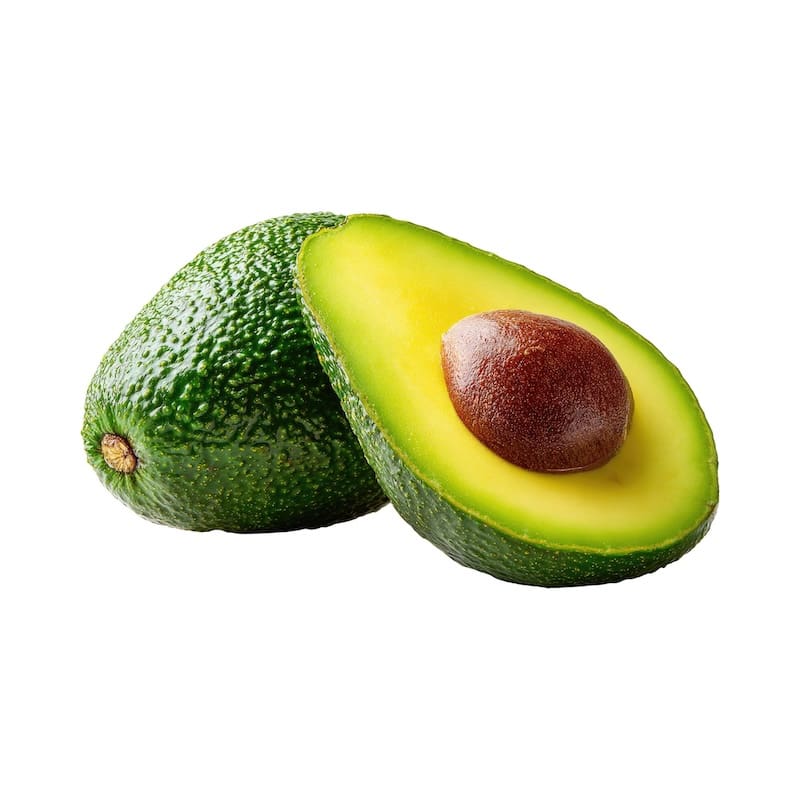
The leaves, fruit, seeds and bark of avocados contain Persin, which can cause vomiting and diarrhoea in dogs. Birds and rodents are especially sensitive to avocado poisoning, and can develop congestion, difficulty breathing and fluid accumulation around the heart. Some ingestions may even be fatal.
Macadamia nuts

Macadamia nuts are commonly used in many cookies and candies. However, they can cause problems for your canine companion. These nuts have caused weakness, depression, vomiting, tremors and hyperthermia in dogs. Signs usually appear within 12 hours of ingestion and last approximately 12 to 48 hours.
Grapes and raisins

Although the toxic substance within grapes and raisins is unknown, these fruits can cause kidney failure. In pets who already have certain health problems, signs may be more dramatic.
Yeast dough

Yeast dough can rise and cause gas to accumulate in your pet’s digestive system. This can be painful and can cause the stomach or intestines to rupture. Because the risk diminishes after the dough is cooked and the yeast has fully risen, pets can have small bits of bread as treats. However, these treats should not constitute more than 5 percent to 10 percent of your pet’s daily caloric intake.
Raw/Undercooked meat, eggs and bones
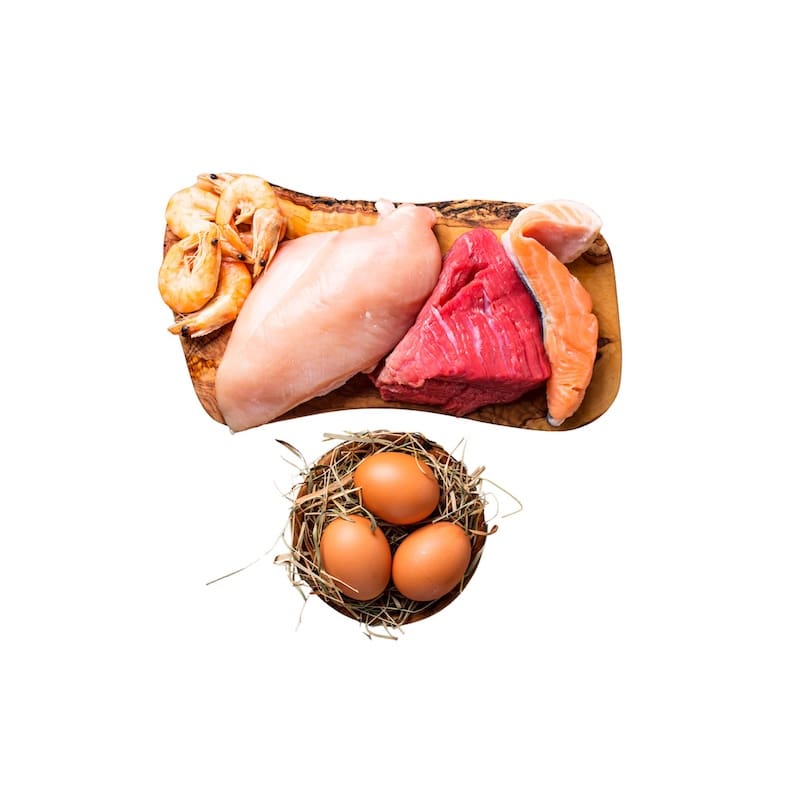
Raw meat and raw eggs can contain bacteria such as Salmonella and E. coli that can be harmful to pets. In addition, raw eggs contain an enzyme called avidin that decreases the absorption of biotin (a B vitamin), which can lead to skin and coat problems. Feeding your pet raw bones may seem like a natural and healthy option that might occur if your pet lived in the wild. However, this can be very dangerous for a domestic pet, who might choke on bones, or sustain a grave injury should the bone splinter and become lodged in or puncture your pet’s digestive tract.
Xylitol
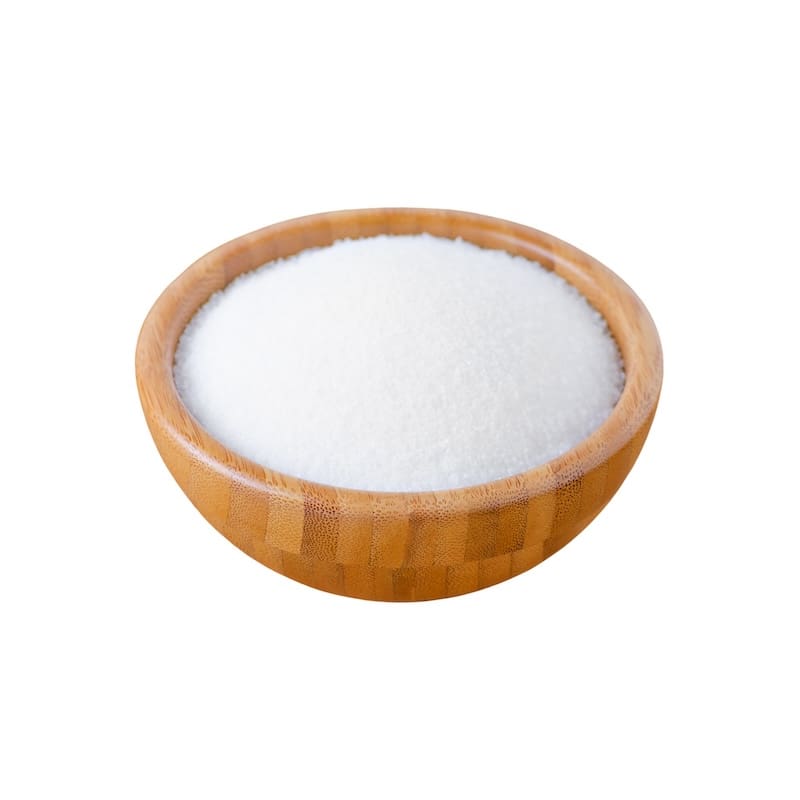
Xylitol is used as a sweetener in many products, including gum, candy, baked goods and toothpaste. It can cause insulin release in most species, which can lead to liver failure. The increase in insulin leads to hypoglycaemia (lowered sugar levels). Initial signs of toxicosis include vomiting, lethargy and loss of coordination. Signs can progress to recumbency and seizures. Elevated liver enzymes and liver failure can be seen within a few days.
Onions, garlic, chives
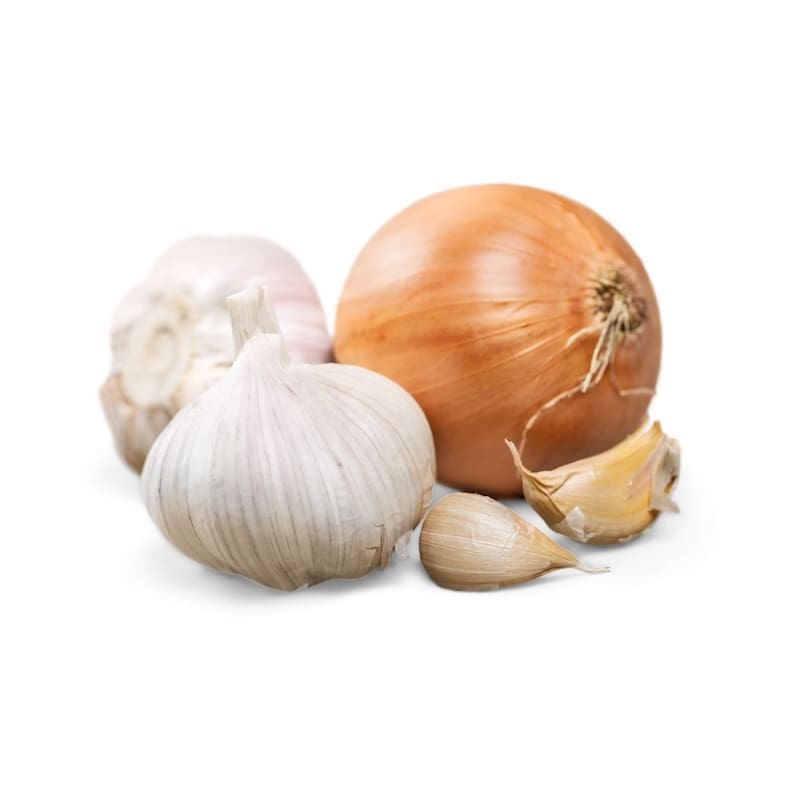
These vegetables and herbs can cause gastrointestinal irritation and could lead to red blood cell damage. Although cats are more susceptible, dogs are also at risk if a large enough amount is consumed. Toxicity is normally diagnosed through history, clinical signs and microscopic confirmation of Heinz bodies. An occasional low dose, such as what might be found in pet foods or treats, likely will not cause a problem, but we recommend that you do NOT give your pets large quantities of these foods.
Milk

Because pets do not possess significant amounts of lactase (the enzyme that breaks down lactose in milk), milk and other milk-based products cause them diarrhea or other digestive upset.
Salt
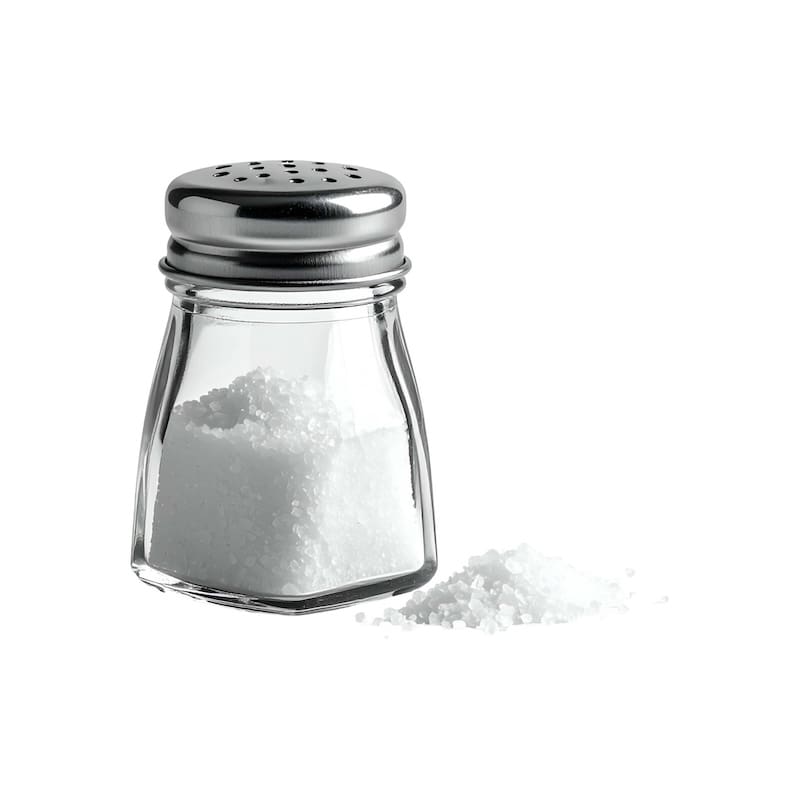
Large amounts of salt can produce excessive thirst and urination, or even sodium ion poisoning in pets. Signs that your pet may have eaten too many salty foods include vomiting, diarrhoea, depression, tremors, elevated body temperature, seizures and even death. In other words, keep those salty chips to yourself!
Acute diarrhoea in dogs
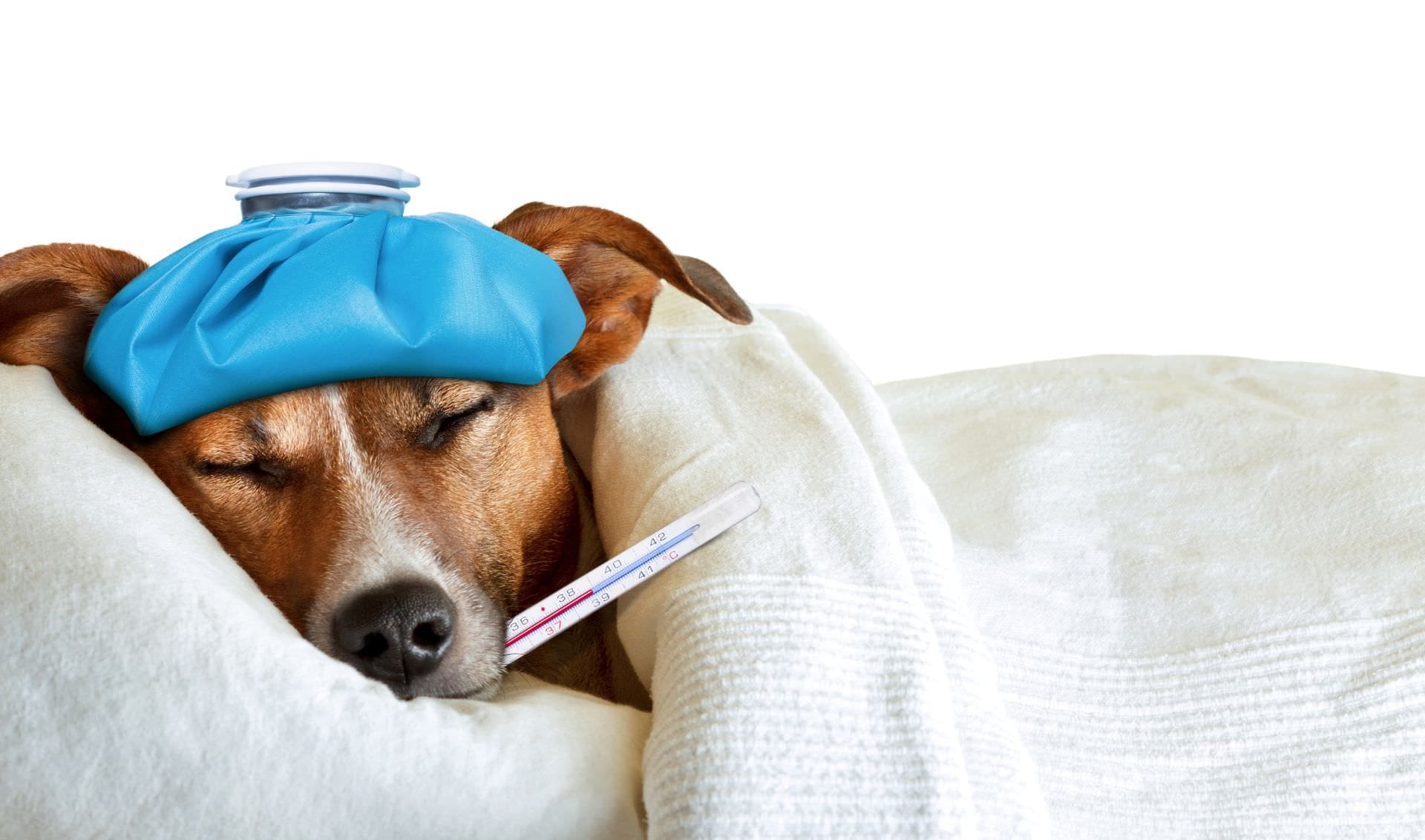
What is acute diarrhoea?
Acute diarrhoea refers to the sudden onset of loose or watery stools, usually lasting less than 14 days. It can range from mild and self-limiting to severe and life-threatening, especially in young, geriatric, or immunocompromised dogs.
Common causes
- Dietary indiscretion (e.g., eating garbage, spoiled food)
- Abrupt diet change
- Intestinal parasites (e.g., Giardia, roundworms, hookworms)
- Viral infections (e.g., parvovirus, coronavirus)
- Bacterial infections (e.g., Campylobacter, Salmonella)
- Toxins (e.g., plants, drugs, household chemicals)
- Stress or travel
- Primary gastrointestinal disease (e.g., IBD, haemorrhagic gastroenteritis)
Signs to watch for
- Loose or watery stools
- Increased frequency of defecation
- Straining or urgency
- Mucus or blood in the stool
- Vomiting
- Lethargy or decreased appetite
- Dehydration
When to seek veterinary attention
Contact your veterinarian if your dog shows any of the following:
- Diarrhoea lasting more than 48 hours
- Blood in the stool
- Vomiting or signs of abdominal pain
- Lethargy or weakness
- Fever
- Dehydration (dry gums, sunken eyes, reduced skin elasticity)
- In puppies, geriatric dogs, or dogs with pre-existing health conditions
Diagnostic tests that may be recommended
- Faecal examination (parasites, Giardia, bacterial culture)
- Bloodwork (CBC, biochemistry) to assess dehydration, infection, or organ function
- Abdominal imaging (radiographs or ultrasound)
- Parvovirus testing in unvaccinated or young dogs
Home care and treatment
For mild cases:
- Feed a bland diet (e.g., boiled chicken and rice or prescription gastrointestinal diet)
- Ensure access to clean water to prevent dehydration
- Gradually transition back to the regular diet over 3–5 days once stools normalize
Medications your veterinarian may prescribe:
- Dewormers
- Probiotics
- Antidiarrhoeal medications
- Fluid therapy (oral or injectable for moderate/severe cases)
- Antiemetics if vomiting is present
Prevention tips
- Avoid feeding table scraps or allowing scavenging
- Maintain regular deworming and vaccinations
- Transition diets gradually over 5–7 days
- Keep toxic substances out of reach
- Use stress reduction strategies during boarding or travel
Prognosis
Most dogs with uncomplicated acute diarrhoea recover fully within a few days with appropriate care. Prompt veterinary assessment is essential for cases that worsen or fail to resolve.